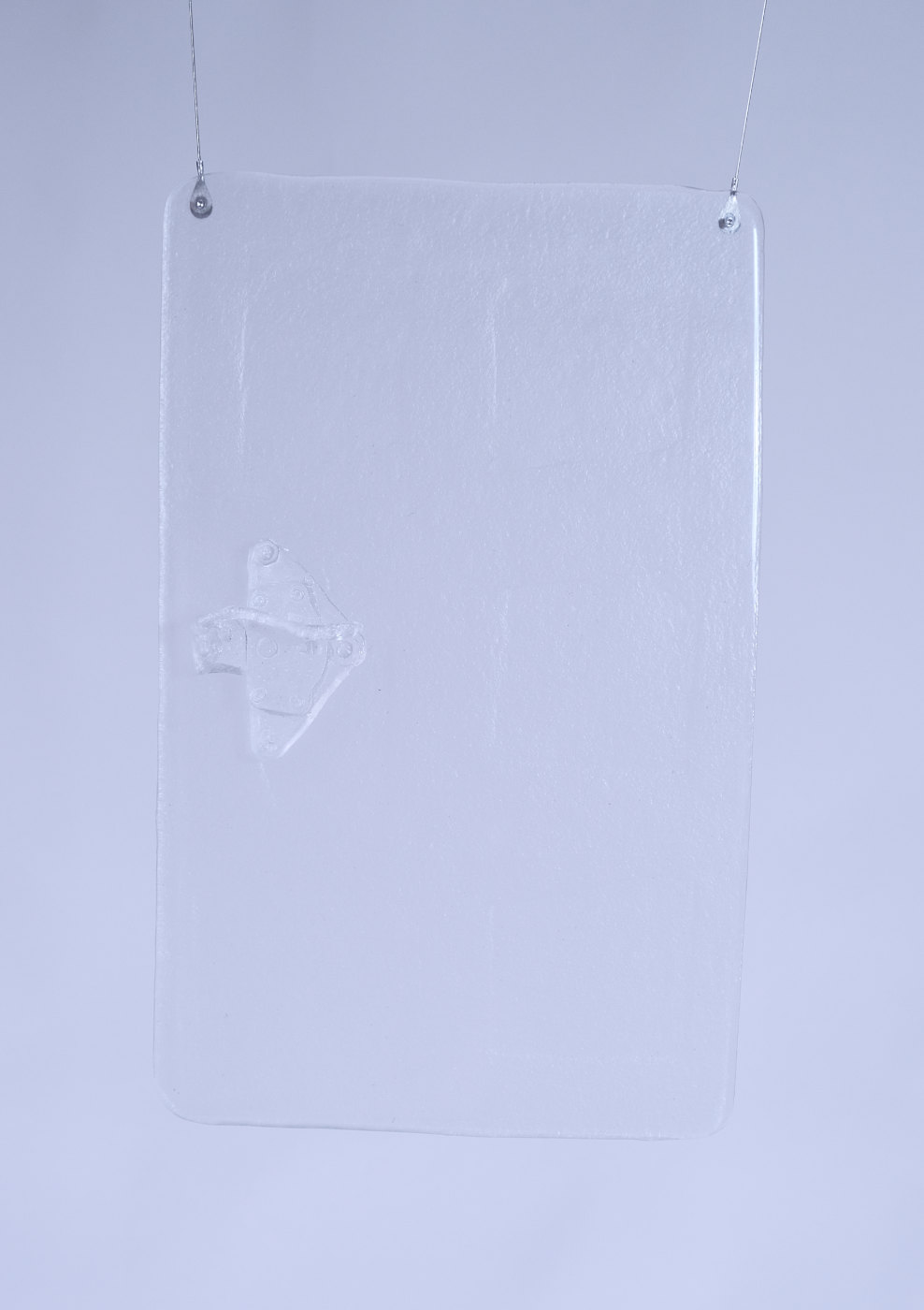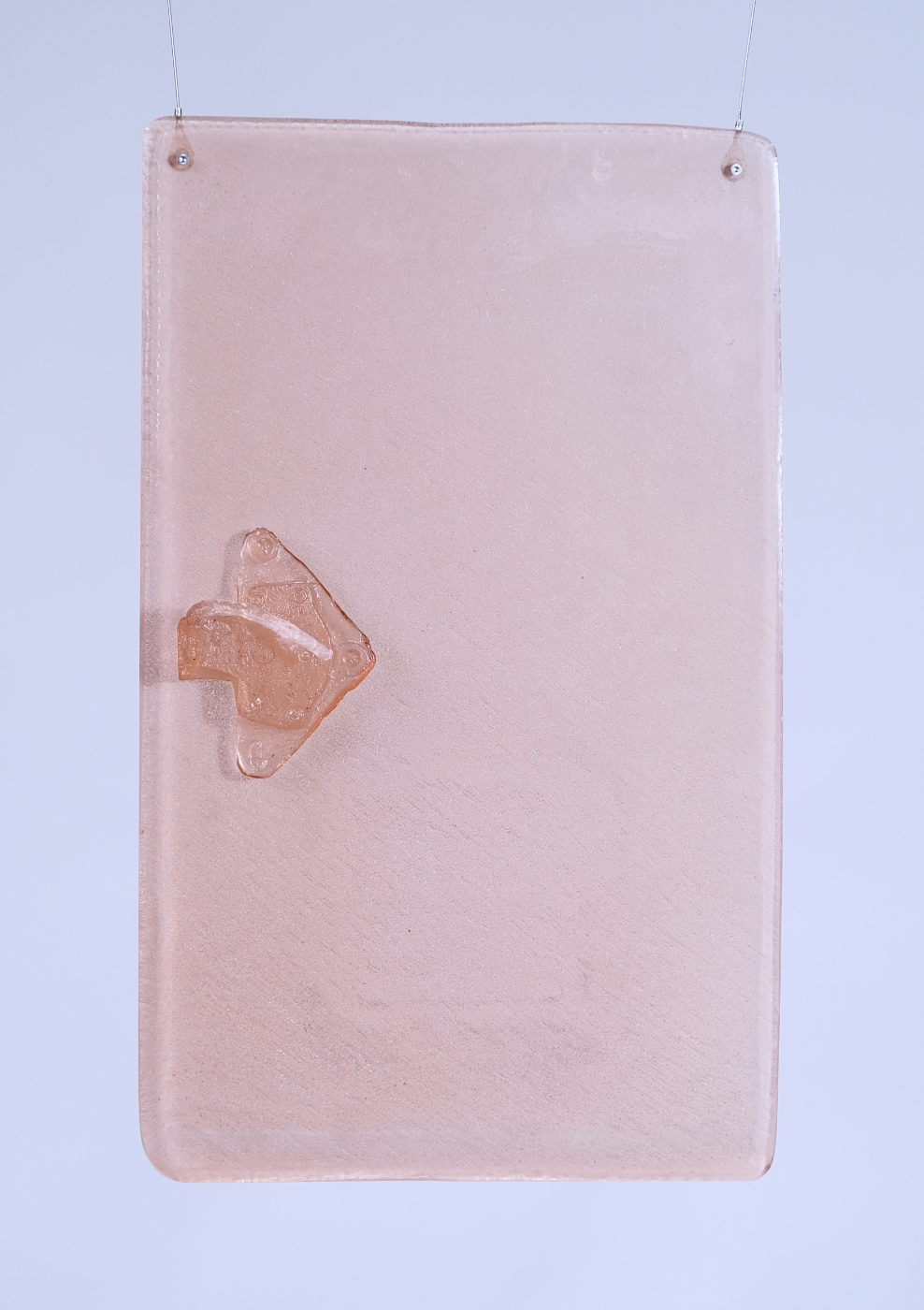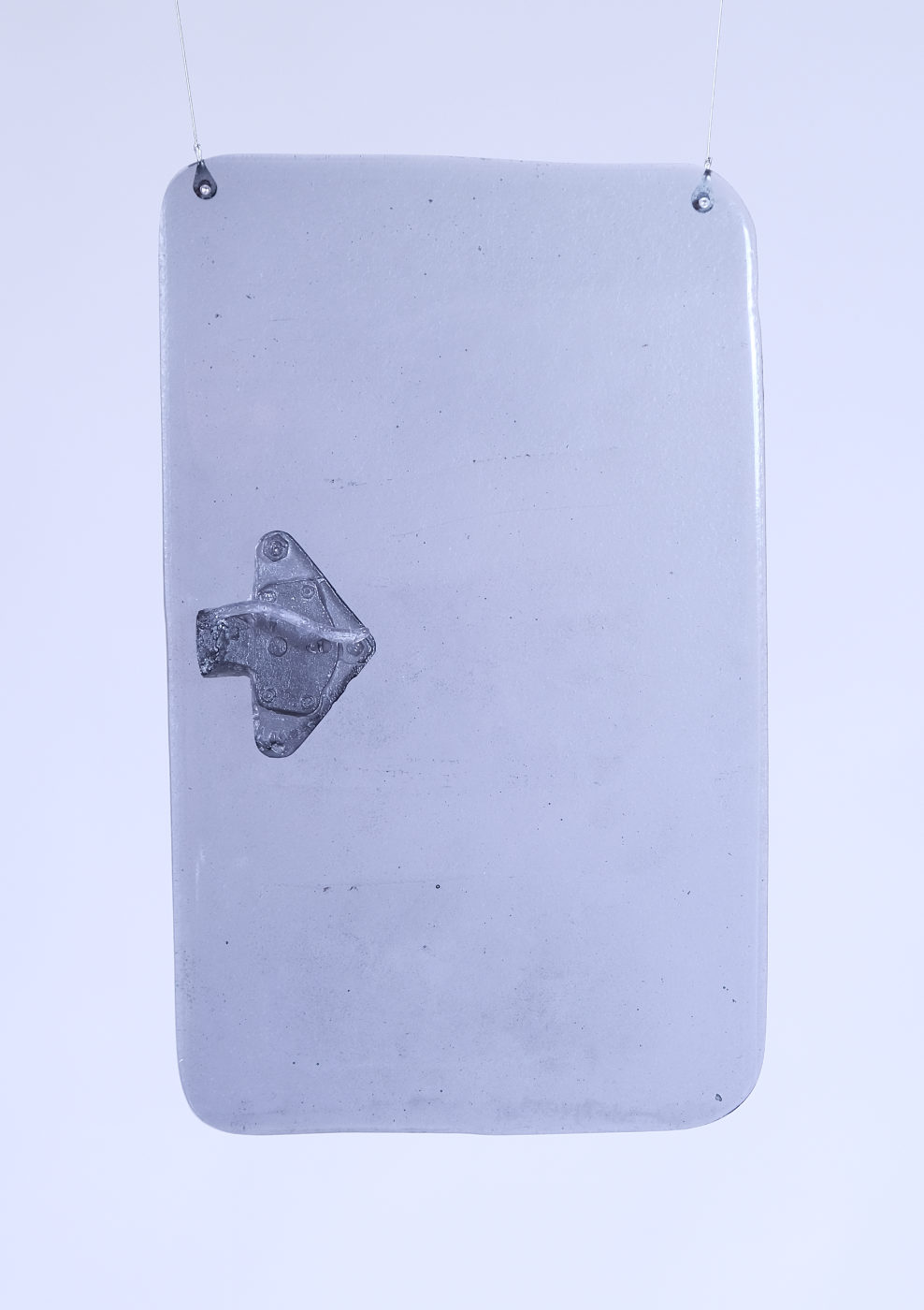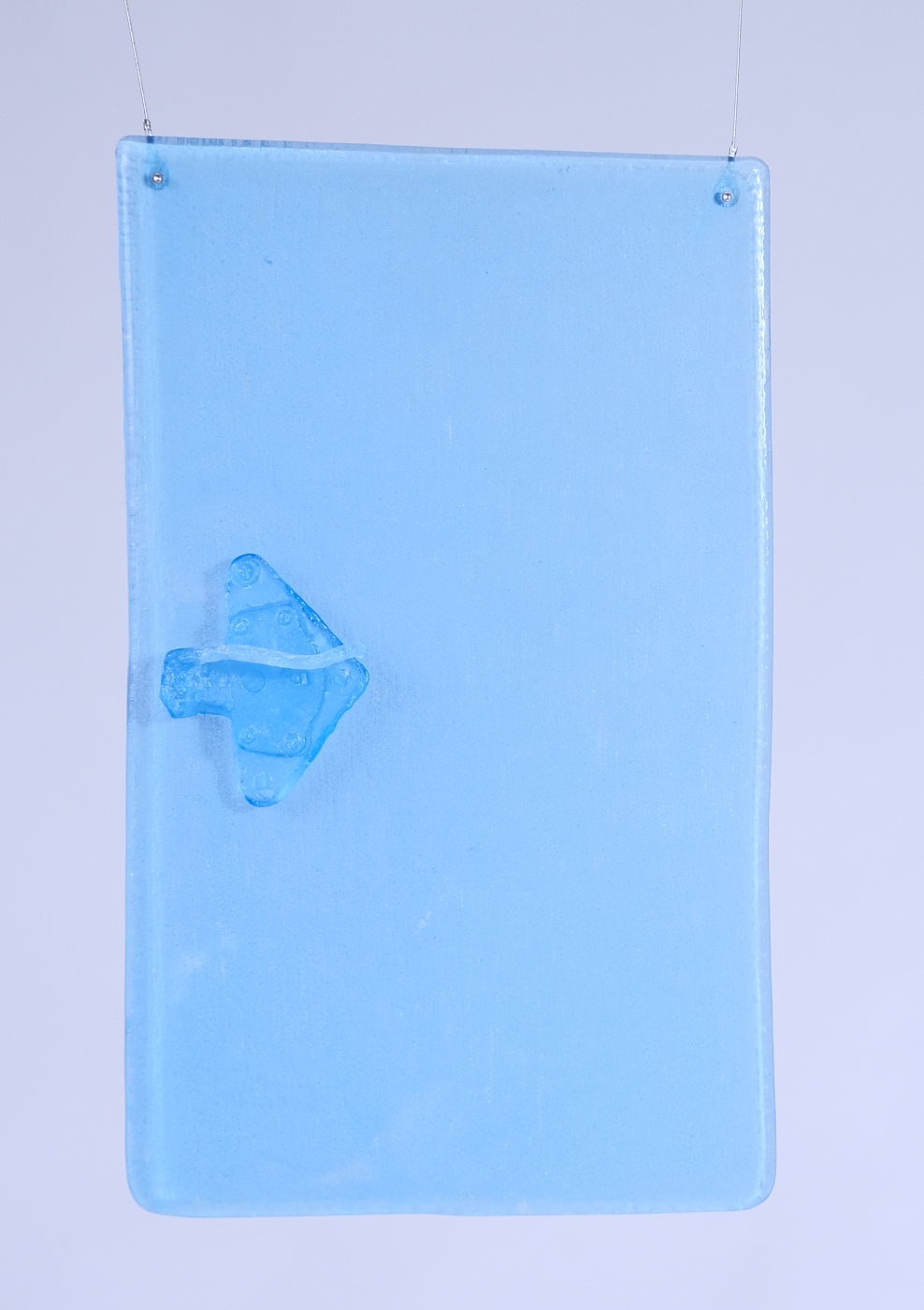
Memories in movement, 2026
The objects brought together in the exhibition are closely linked to Helena’s exploration of her heritage. Through them, she revisits memories and emotions associated with her father, who passed away last year. Her work revolves around the question of what part of him lives on within her. She seeks to identify and delve into inherited patterns, and explores which elements continue to shape her identity and artistic language to this day. Opening doors to revisit memories.
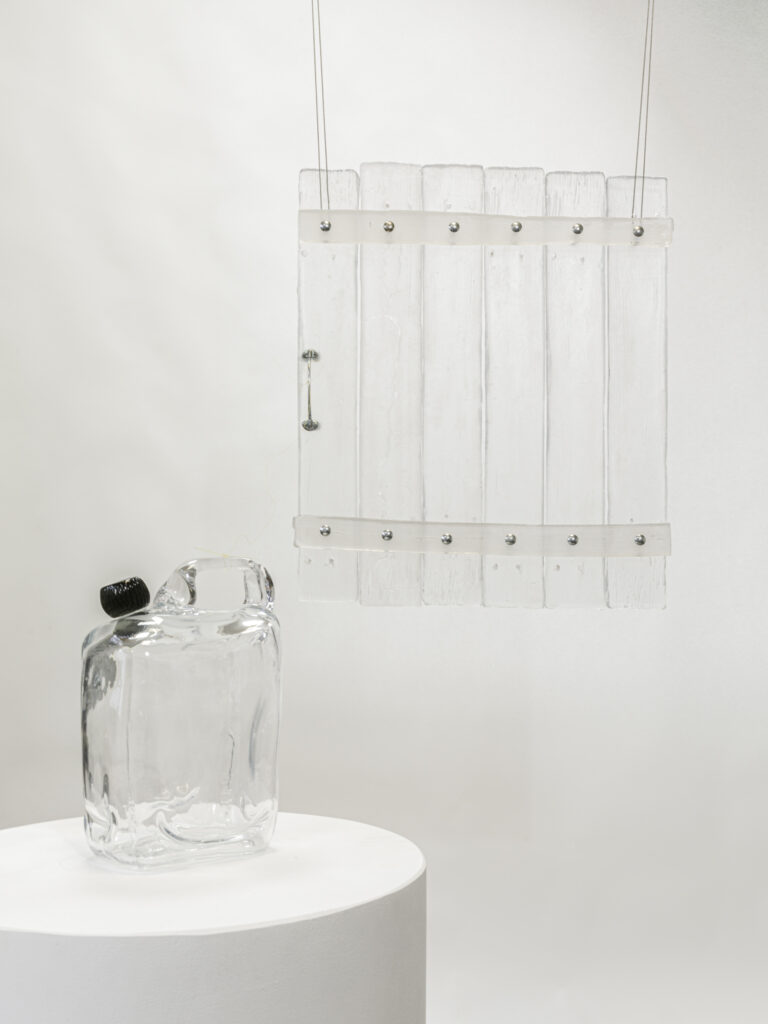
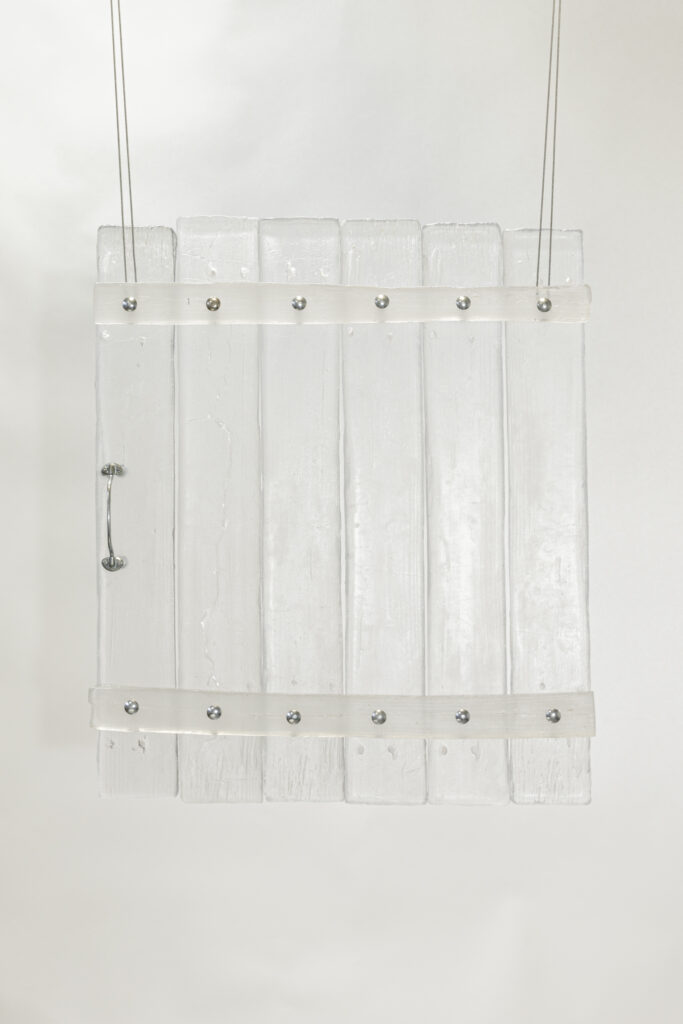
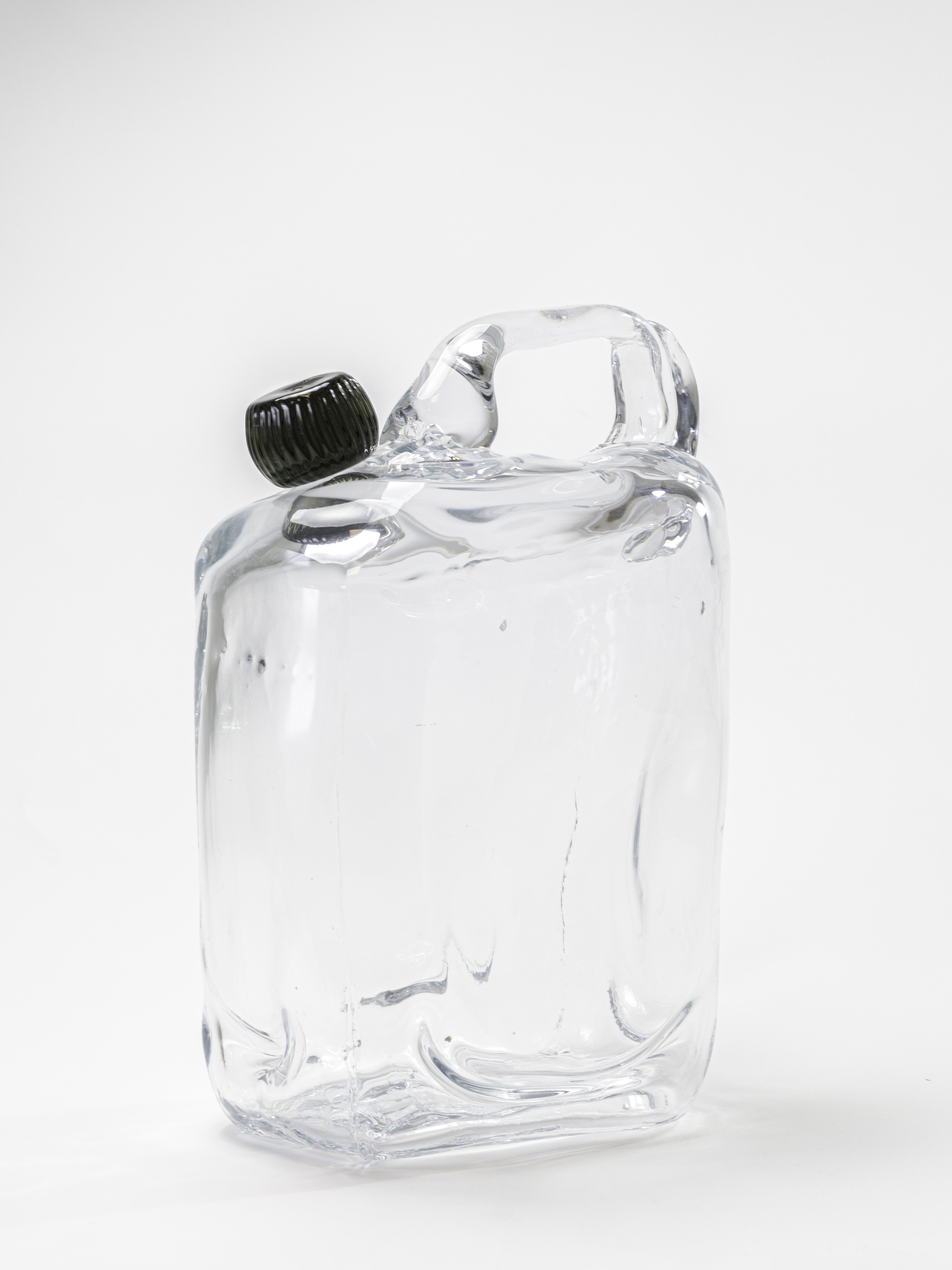
Doors with Canister (2015) was inspired by a simple mechanism that Helena’s father, Milan, had constructed in their family home. To make the heavy cellar door easier to open, he devised a gravity-based system: a canister filled with water, suspended from a pulley. The weight of the water helped to balance the door, allowing it to open smoothly and with minimal effort. The canister is more than just a functional object. It represents emotions in motion – a container that is actively laden with weight, whilst simultaneously facilitating movement within itself. Just as the mechanism makes opening a heavy door easier, emotions, when understood and allowed to flow, can make returning to the past less painful and more playful. The work becomes a tool for navigating memories.
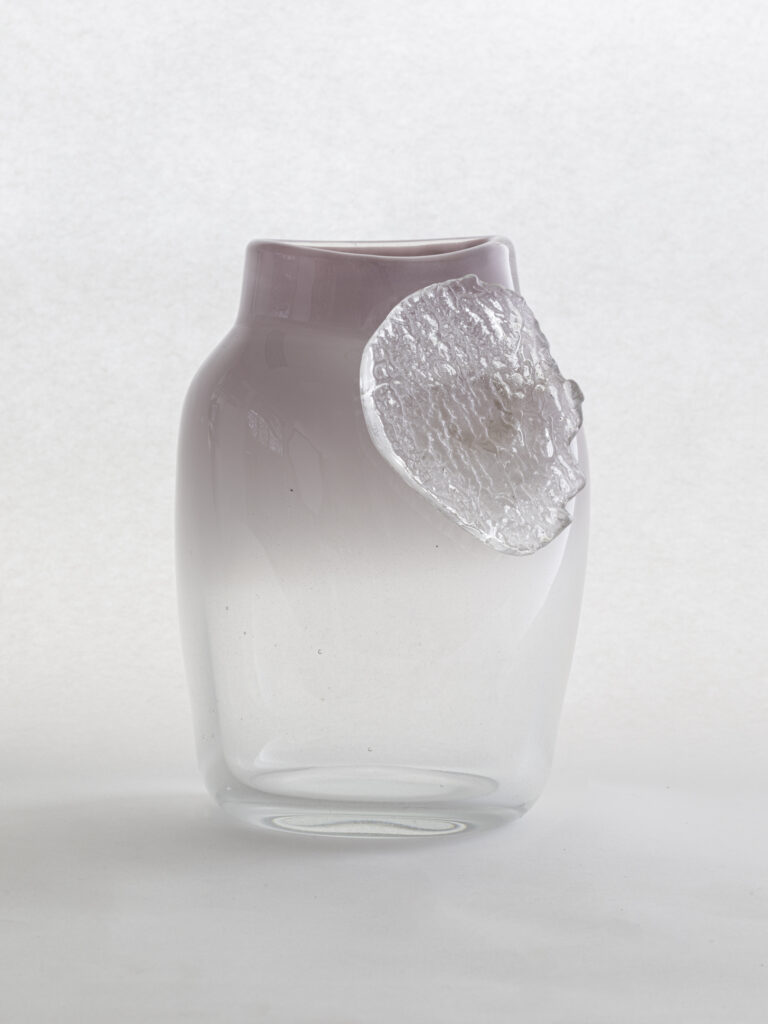
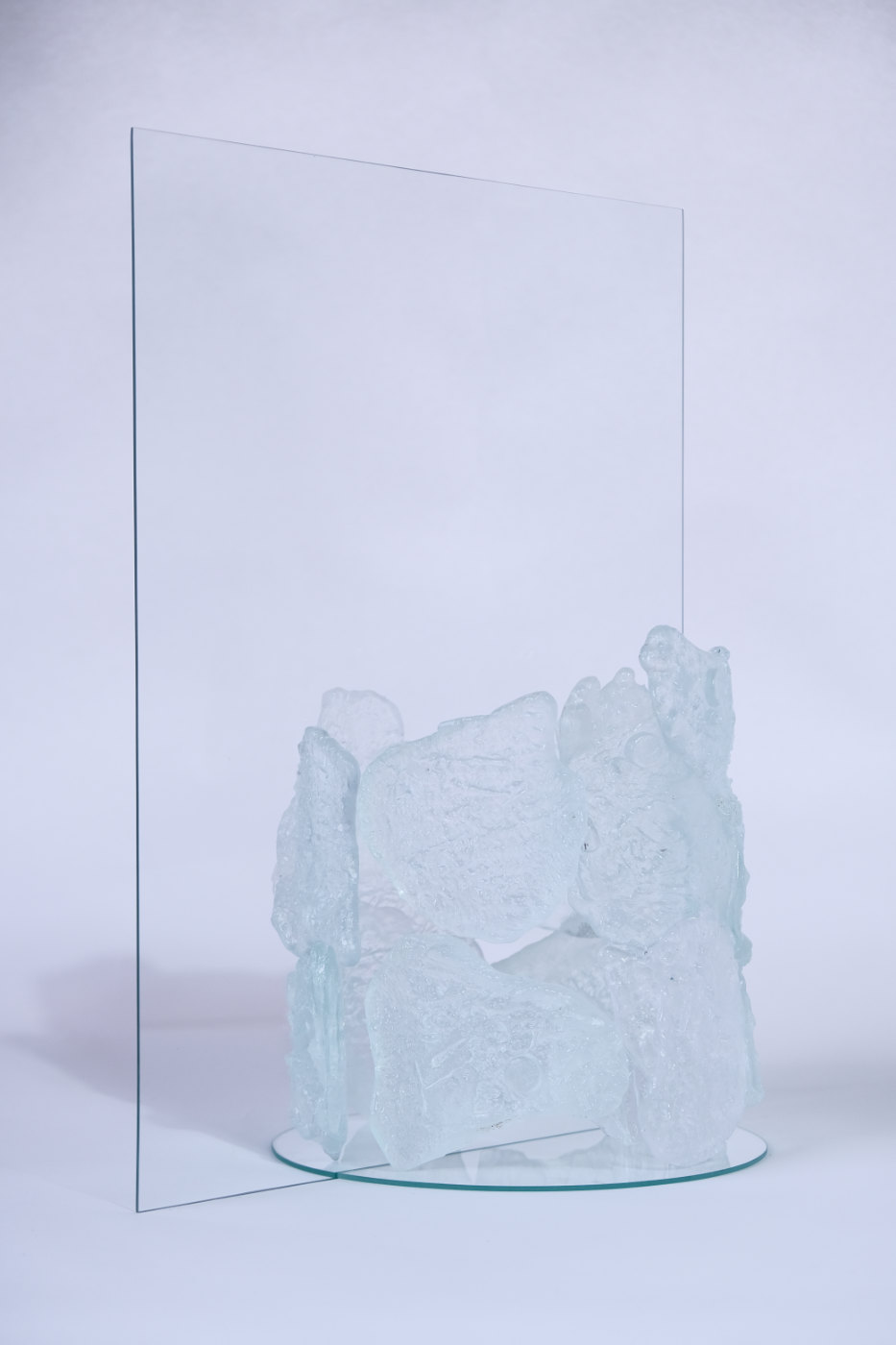
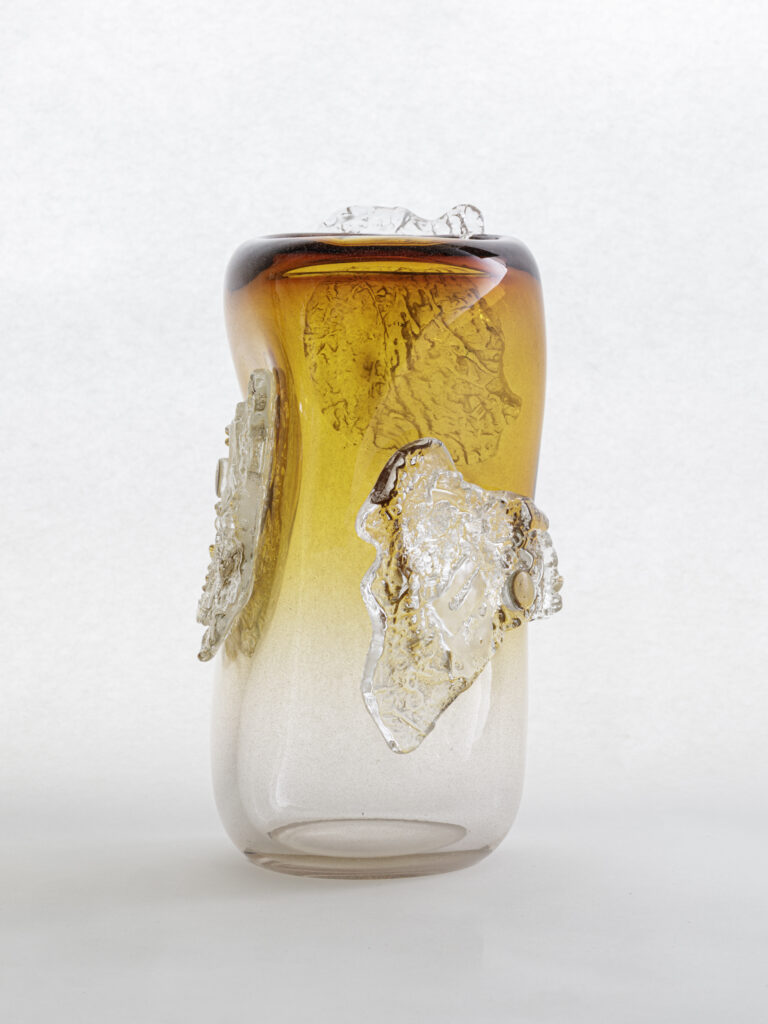
The vases – Vase deformed by pattern, Vase 02 and Vase 03 (2026) – created in collaboration with glassblower Jan Vyskočil, are not simply decorated, but have been shaped by the patterns found on the floors of her father Milan’s work spaces – his electrical workshop and garage. The surfaces of these rooms were covered with small, stray, discarded and seemingly insignificant fragments:Screws, cables, pieces of metal, beer mats, necklaces, transistors, resistors, dust. For over a decade, the floor remained unwashed – a layered accumulation of labour, neglect, routine and time. A mosaic of residues. A collection of what had fallen, been misplaced or forgotten. These sediments became an authentic imprint of the place where Milan spent countless hours making and repairing.Helena captured these textures using silicone moulds, later casting them in glass and applying them whilst still hot to blown vessels. The vessels become a form designed to carry, hold and contain liquid. And the chaotic relief of the ground merges permanently with the fragile, transparent body of the vase. The vessels serve as receptacles, shaped by the patterns of their father’s disorder. They preserve what remains of him – not as physical objects, but as traces.
Technique: glass blowing, glass casting
Dimension: various
Photo credits: Maria Patzschke and Gidon Schvitz